Churning and manufactured spending isn’t always rainbows and unicorns. Sometimes we’re stuck dealing with locked accounts, stolen funds from shady FinTechs, shutdowns, weird OnlyFans things (no link on purpose on this one but yes, it’s real), and other hardships from inadvertent financial chicanery. The rewards outweigh those things or you wouldn’t be here obviously, but what if we could break from the monotony of manufactured spend, which is effectively:
Pushing numbers from one ledger to another, then probably back to the first ledger, and taking a cut for doing it.
… and use your ledger pushing to do good in the world? Well, an unlikely contender means that you can: Enter the national pizza chain recently certified as “now edible”, Domino’s Pizza (lolwut), and the June dumpster fire colloquially known as “Paze”.
Since March-ish (Smarch), both American Express and Chase have been shutting down some of the biggest gamers in the sport. They’re looking different than past shutdowns, so let’s document some new behaviors starting today with Chase.
Shutdown: What of the Ultimate Rewards?
In recent years when you’ve been shutdown by Chase, they’ve given you 30 days (or 90 in New York) to cash out your points. That’s all changed though; we’ve seen two new recent behaviors with points, neither of which matches what used to happen:
Some accounts have points forfeited immediately (and a few of those will have a line-item that says “courtesy adjustment” to add insult to injury)
Some accounts have points cashed out at 1.0 cents immediately
The old 30 day point rule isn’t around like it used to be, at least for the big guns. There’s also varying behavior on what happens with pending points that post after you’ve been shutdown. Again, you’ve got two possibilities, and what happened with your stash of points seems to have no bearing on what happens with your pending points. Your pending points will either:
Be transferrable when they post
Forfeited
If you’re shutdown, a random number generator seems to choose which action Chase will take with your posted points, and a different random number generator seems to choose which action Chase will take with your pending points. What’s the random number generator? I think a team of humans is handling these cases, and they’re not completely consistent with one another.
The Deposit Accounts
Avoiding Chase deposit accounts is manufactured spend 101, but not everyone follows that advice. For recent shutdowns of cardholders with deposit accounts we’ve seen a bit of random behavior there too:
Some shutdown cardholders have their deposit accounts stick around
Some shutdown cardholders have all of their deposit accounts closed
Some shutdown cardholders see some of their deposit accounts closed
I think the varied behavior here is a further indication that we’re dealing with a team of humans that isn’t completely consistent.
The Causes
The cause for most of the shutdowns is probably pretty obvious if you spend a few minutes thinking about how one might scale, then spend a few minutes thinking about how you might scale your scale, but let’s just say it boils down to one or both of:
Earning lots and lots of points in a way that’s not sustainable for Chase
Redeeming lots and lots of points in a way that’s not sustainable for Chase
If that’s not enough and you like bad translations, there’s public info on some of these recent Chase shutdowns at UCSF.
Avoiding The Shutdowns
If you’re a heavy-hitting whale that’s not yet shutdown at Chase, you probably know that what you’re doing is moving toward a brick wall, and you’re probably doing your best to earn as much as you can before the wall wants its dues. A common sentiment amongst most affected by the shutdowns seems to be “it was worth it”.
If you’re not a heavy-hitting whale, this probably isn’t something you need to be super concerned about.
The Permanence
If you were shutdown, what does getting back in look like? Well, you might be surprised to learn that it seems random:
Some people get back (seemingly-permanently) after waiting a month or two
Some people get back after waiting, only to have the cards cancelled shortly after activation
Some people are instantly denied or have approvals rescinded before cards can be activated
Again, the same process governing the other aspects of recent shutdowns is probably governing these too.
Mini-Analysis
I’ve avoided mentioning something because I largely don’t agree with it, but, let’s mention it anyway: there’s rampant speculation that the rise of AI has given Chase an easy way to find the gamers. The only evidence I can see for this is the inconsistency because AI is currently great at that, but I genuinely think that’s just humans doing human things.
I think what’s new and why we’re seeing new waves and behaviors is that we recently got:
Uncapped 8x earning
Lots of 2 cents per point redemptions
Taken together at volume, those things probably caused a big enough blip on someone’s radar to have a team look into what was going on. But what do I know?
Have a nice weekend friends!
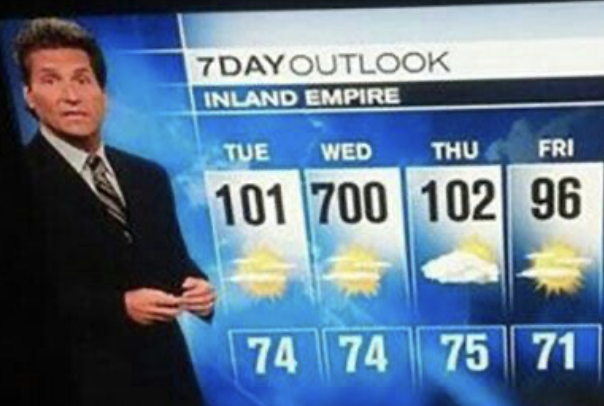
Chase’s equipment shows why it was hard to see the blip before we arrived at “8x*2cpp = bad”.
A Thanksgiving churning blogger tradition seems to involve writing about all the things you’re thankful for (I suppose if you’re going to be cliché in a conformist-rebel sort of way, that’s a home-run post). But we do things a bit differently around here, so instead of a regular “things I’m thankful for” post, I wanted to call out some of the churning blogger phrases that I’m, uhh – thankful isn’t the right word, deluged by:
“It’s mind boggling that”
“An ok deal”
“Nevertheless, it represents value”
“Nothing groundbreaking here”
“… and it may be for some folks”
“it should be worth it”
“SMOKING HOT!”
“Alive Again!”
“Final hours!”
“worth keeping your eye out”
“[company] is once again back with their lucrative offer”
In the Ten Commandments of Churning, of which I’ve yet to discover nine of the commandments, we discover an auspicious writing that’s particularly relevant in the last couple of weeks:
Terms and Conditions are only advisory unless you’re in legal mediation or in a court of law.
– The 10 commandments of churning, unpublished
Just because a particular bank tells you that they won’t award a sign-up bonus to prior customers doesn’t mean that they actually behave as written. Just because a credit card company says that they won’t award points if you buy a gift card doesn’t mean that you won’t see points when you buy a gift card.
Conversely, just because a crypto company says that you’re eligible for a sign-up bonus doesn’t mean they’ll pay it out unless you force their hand.
Endorphins hit differently when you get a big sign-up bonus, make a great redemption, or get a great deal. Each of these can be worth hundreds or thousands of dollars, and everyone likes to see a hockey-stick chart on their points balance right?
Sometimes though, you can “find churning money or points” by dealing with the sludge of churning. In just the last couple of months, I’ve had to:
Figure out how to get my Flexperks points back after an airline cancelled booking
Get refunded for stolen in shipping items for reselling
Find every hidden unsubscribe from the Motley Fool (after kicking myself for going for the portal bonus again)
Work with giftcards.com for e-gift cards that showed the CVV as “Error retrieving CVV”
Bug Alaska for missing travel credits
None of those things are fun, none of them give me the same endorphin hit of an initial churn. They’re all worth real, sizable money though. And if I didn’t do them, I’d negate plenty of the endorphin-laden kind of churning. So, the lesson:
Earning $1,000 from housekeeping is as good as $1,000 from a bank bonus. Also taxes something something.
– MEAB
Have a nice weekend friends!
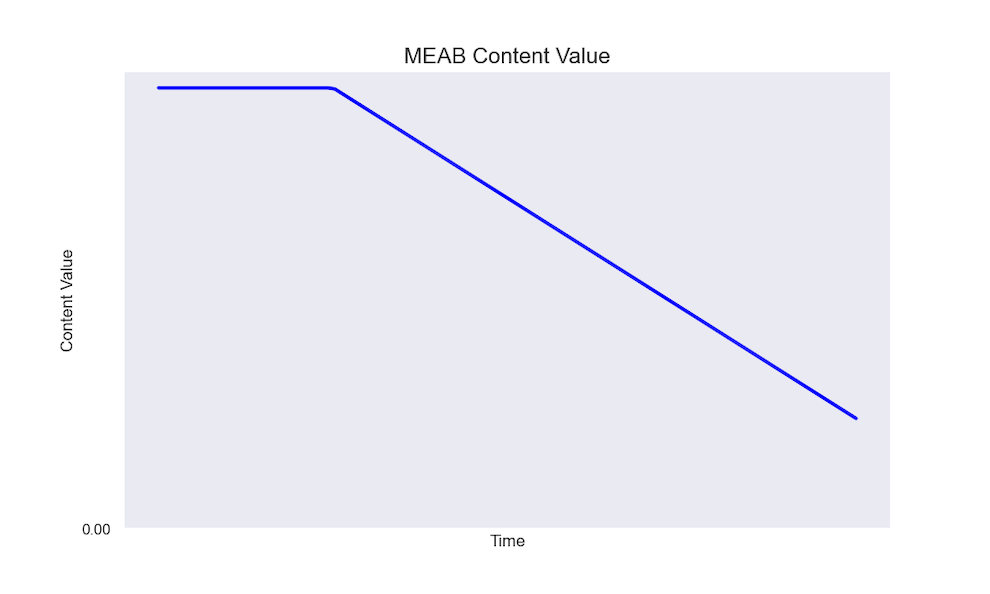
Sometimes the hockey stick goes in the wrong direction.
Summer travel makes up the bulk of airline profits outside of a few weeks around the holidays, and Summer demand means that award availability and sales are scarced between Memorial and Labor Day, at least usually. Enter Summer 2025 travel bookings, in which:
There are two ways to read into this: (1) Frontier sees a hole in the market left by Southwest, is shrewd, and wants to take Southwest’s traditional customer base; or (2) the low cost carrier summer booking demand-o-meter is flashing red, and management has decided that some revenue is better than no revenue. I tend to think it’s the latter disguised as the former, but what do I know?
Breeze historically was an investor garbage fire for capital, but turned things around for profitability last year. Just like Frontier though, I think Breeze’s summer demand-o-meter is blinking red too.
Yesterday, Avelo Airlines had $30 off of round-trip bookings for travel between March 26 and August 28 with a few small blackout windows (the promo was SOAR30). There’s a good chance they replace it for something else today, and while the discount wasn’t big enough to talk about in a normal post while the sale was still running, but it is telling that the sale ran right over the whole Summer season.
Ok, so what’s the action item on today’s post if you’re a first class diva don’t fly any of those “lesser” airlines? Well, if you’re an active investor, evaluate your positions on airlines. I’m not an investment advisor and I’m definitely not your investment advisor, but I’d say being long airline stocks through Q3 reporting is a bold strategy, Cotton. On the other hand if you’re looking for award bookings for Summer travel, watch for more inventory to open up.
The biggest volume gift card reselling platform Raise’s GCX, which incidentally via a broker is where most manufactured spender’s gift cards end up, recently made moves that seem to effectively push all but the top three or four sellers into insolvency unless they have a stable of private buyers or a mostly non-existent big alternative. Based on discussions with several anonymous brokers, the new normal is:
New tiers (that sound like Delta status levels) based on quarterly sales volume:
<= $19,999 for Bronze
$20,000+ for Silver
$100,000+ for Gold
$500,000+ for Platinum
$1,000,000+ for Diamond
$10,000,000+ for Delta 360 Diamond Plus
Platform selling fees ranging based on tier level from 15% to 6%-ish (that means if you sell BestBuy at 98.50% of face, you’ll take-home 83.5% after fees as a Bronze member, maybe up to 45 days later)
Penalties for cards that don’t sell quickly enough
Increased penalties for debited transactions (when a buyer says the card doesn’t work)
No more grace period for bad quarters, immediate tier demotion
Longer holding times before payout for many gift cards
If you want to sell on Raise / GCX and compete with the big three current sellers that are paying approximately 6-7% in fees, you’re going to have pay around $40,000 in extra commissions on your way to that tier too. That means:
Raise’s changes are forming an oligopoly of gift card resellers
Smaller resellers are going to drop out (I’ve heard of three already)
The bar to entry to be an effective bulk competitor is higher than ever
Competition for manufactured spenders selling gift cards to brokers will fall
Manufactured spenders will see decreased profits as competition falls
The existing oligopoly will see increased profits as competition falls
Raise is likely to have a simpler business and a smaller support staff with these changes, but they’re also leaving themselves vulnerable to a new marketplace competitor with lower fees and a penchant for marketing that could take over as the new de-facto gift card resale platform. Watch for turbulent times in the short term, and (hopefully) a new reseller focused marketplace in the medium term.
Oh, and since we haven’t talked about Pepper for a while, let’s take a tangent from the main topic to mention Pepper’s weekend: they were offering 20% back in Pepper Coins for Best Buy purchases, and 25% back for Target purchases. Completely auspicious right?
Happy Monday!
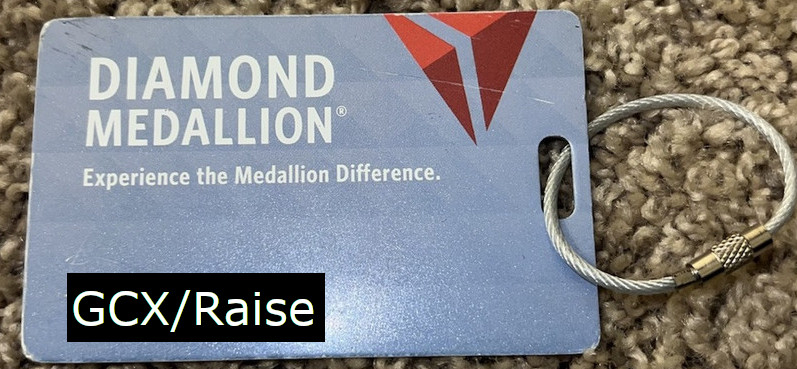
GCX/Raise’s totally original status program elite bag tag.
The Pepper gift card reselling platform, the current mass market frontrunner in the race to move funds from venture capitalist bank accounts to your wallet, has a few newsworthy updates:
They got a loan last week, and they did the most Pepper thing possible when filing: The CEO’s name is spelled wrong. (This is probably a bridge loan, VC funding definitely doesn’t look like this)
Yesterday, they offered (with most of the cash back coming in a couple of weeks):
Unlimited Amazon gift cards at 25% off
Walmart gift cards at 24% off, up to $1,500 per account
HomeDepot gift cards at 22% off, up to $3,000 per account
I think it’s clear that Pepper is eating most of the cost on these offerings, which could lead you to a few conclusions:
They might be trying to pump sales in anticipation of funding hurdles and are fiscally fine
They might be trying to make payroll and are fiscally almost dead
They’re just benevolent and like giving away money, but they have plenty of it
One of those three is probably right. Make your risk/reward calculations accordingly. Since no one asked: I’ve been bringing down my Pepper float to smaller numbers gradually over the last couple of months, and I’m approaching zero but not there yet.
Finally, I want to add something to a common argument I hear about Pepper, which is “Who cares if I lose the $20,000 I have floated to Pepper right now? I made way more than that.” It’s a good point, but I’d like to offer that if you can catch the falling knife, you can make “way more than that” and still not lose $20,000.